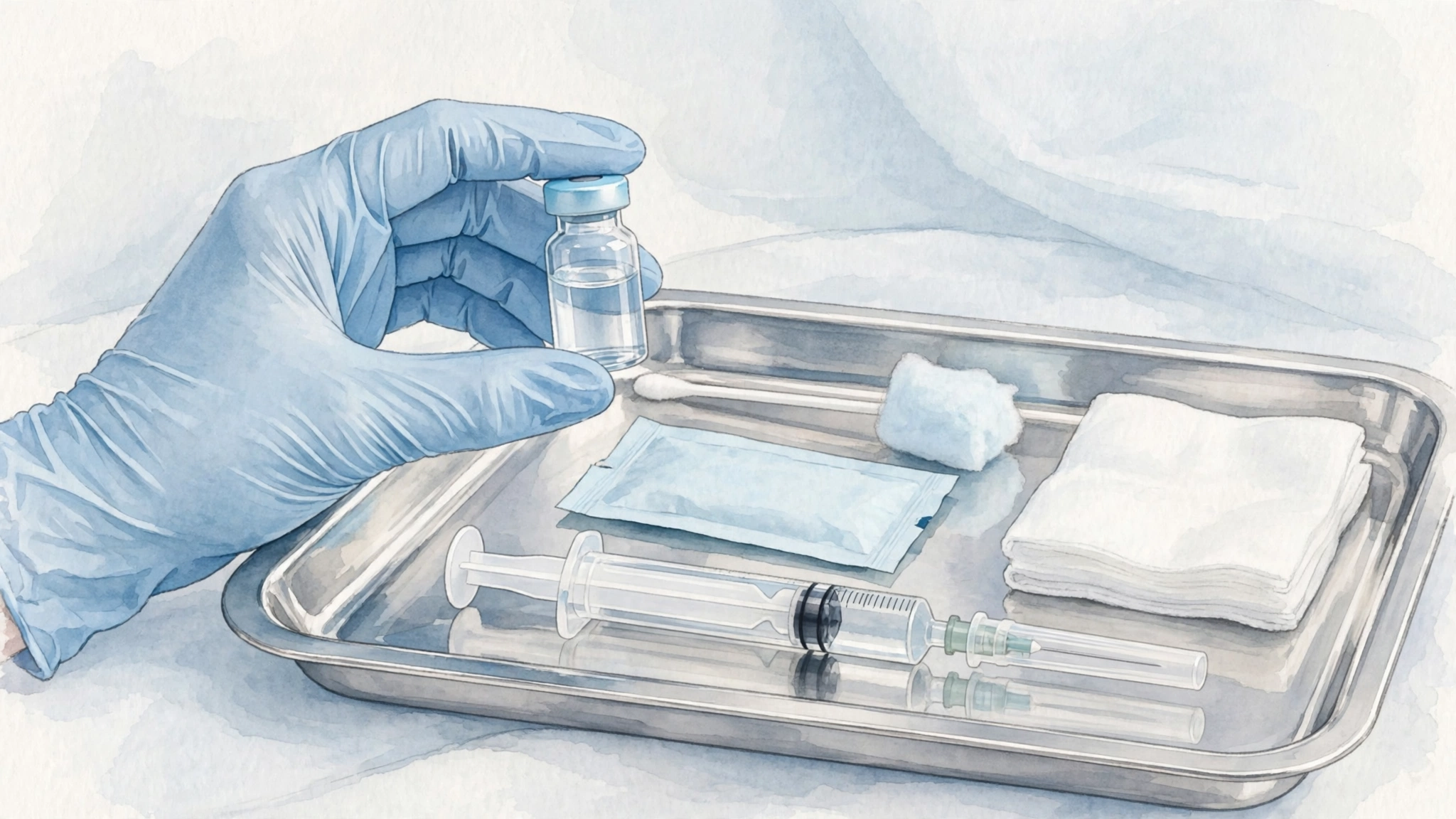
The United States has lost its measles elimination status after 26 years. The Pan American Health Organization (PAHO) announced the decision on 17 November 2026, after finding that a single chain of measles transmission had run continuously for more than 12 months. The country held the status since 2000. Bolivia and Mexico lost their elimination status at the same time.
How the Decision Was Reached
PAHO's Measles and Rubella Elimination Regional Monitoring and Re-Verification Commission made the determination at the close of its meeting in Washington, D.C., held 10 to 13 November 2026. The commission reviewed the evidence submitted by the United States and met with members of the country's National Sustainability Commission and other national health authorities.
Its finding was that a single measles chain of transmission, which began on 20 January 2025, had persisted for more than 12 months. That was enough to conclude that the United States had re-established endemic measles transmission, and the country is now classified as endemic for measles. The elimination status for rubella and congenital rubella syndrome in the United States is unchanged.
Countries that lose their elimination status must submit a corrective action plan to PAHO, setting out how they will regain it. Venezuela and Brazil lost their status in 2018 and 2019 and regained it in 2023 and 2024 after intensive control measures, which shows the status can be won back, but only after sustained work.
The Scale of the Outbreak
CDC had recorded 5,412 confirmed measles cases in 2026 as of 12 November, with 5,394 cases from 47 jurisdictions and 18 among international visitors. That compares with 2,289 cases in all of 2025. About 96 percent of the 2026 cases were linked to outbreaks, across 43 new outbreaks. CDC lists six deaths in its 2026 count, a figure it notes is subject to change. State health officials in Pennsylvania, Wisconsin and New York have reported 10 deaths between them, reflecting differences in how deaths are classified and counted.
In total, the United States has recorded about 7,700 measles infections since the beginning of 2025, according to CDC figures. It is the highest number of cases the country has seen in more than 30 years.
Why Coverage Slipped
The resurgence follows a fall in vaccination coverage. MMR vaccination coverage among US kindergartners fell from 95.2 percent in the 2019-2020 school year to 92.7 percent in 2023-2024, below the 95 percent level PAHO sets as the target for sustaining elimination. A 2025 study led by Johns Hopkins researchers found that MMR coverage fell in 78 percent of the 2,066 counties studied across 33 states when pre-pandemic school years were compared with 2022-2024.
Two doses of the MMR vaccine are about 97 percent effective at preventing measles. The first dose is typically given at 12 to 15 months of age and the second at four to six years, before children start school. Some Americans decline vaccination for religious or personal reasons, while others cannot receive it for medical reasons, and national survey research has documented declining public trust in physicians and hospitals between 2020 and 2024.
Why This Matters for Healthcare Organizations
For clinics, the change is practical rather than administrative. The loss of elimination status changes no rule or payment, but it means measles can no longer be treated as a disease that stays outside the country. Front desk and clinical teams should expect more questions about MMR status, and intake is the natural place to check it. A patient portal that shows immunization records and sends reminders can catch gaps before a visit, and it gives families a clear place to see what is due.
Triage matters too. Measles spreads easily, so a patient with fever and rash should be identified early and isolated from other patients while the diagnosis is confirmed. Staff should know the local health department's reporting route, since rapid case detection and contact follow-up are part of the response CDC is asking for.
Catch-up vaccination is the other step. About 40 percent of current US measles cases are among adults older than 20, according to Professor Edwin Asturias of the University of Colorado, so the gap is not only among children. Pennsylvania began recommending an additional early dose, known as a dose zero, in June for infants aged six months and older in areas with sustained transmission, an example of how states are adapting their approach locally. An AI medical receptionist can take the calls and messages that follow a vaccination push, booking catch-up appointments while staff handle the patients in front of them. Clinics that want to see how Med Clinic X supports that follow-up can book a demo.
Analysis: The Backstop Is Gone
"The measles elimination designation is not what protects Americans. Vaccination does," said CDC Director Dr. Erica Schwartz in the joint statement. That sentence captures what has changed. The designation was a backstop, a sign that transmission could not sustain itself. With it gone, the work falls on vaccination coverage, surveillance and outbreak response, carried out clinic by clinic and county by county.
CDC has provided about $100 million in additional funding to state and local health departments since August, through most of 2027, to strengthen vaccination, surveillance and outbreak response. It also sends Epi-Aid teams at a jurisdiction's request. Texas, South Carolina, Virginia, Kansas, New Mexico and Wisconsin used that help and brought their outbreaks under control, and Pennsylvania and New York have since asked for teams of their own. The funding and the field teams help, but neither replaces the routine work of checking vaccination status at every visit.
Sources and References
- Centers for Disease Control and Prevention, Joint statement: Loss of U.S. measles elimination status, 17 November 2026: https://www.cdc.gov/media/releases/2026/loss-of-usmeasles-elimination-status.html
- Pan American Health Organization, letter from PAHO Director Jarbas Barbosa da Silva Jr. to HHS Secretary Robert F. Kennedy Jr. on the loss of US measles elimination status, 13 November 2026: https://www.cdc.gov/media/media/files/2026/11/CIM-2026-0059.pdf
- Al Jazeera, US officially loses measles-free status after 26 years in historic setback, 17 November 2026: https://www.aljazeera.com/news/2026/11/17/us-officially-loses-measles-free-status-after-26-years-amid-outbreak
- Contemporary Pediatrics, US loses measles elimination status; CDC outlines re-elimination plan, 17 November 2026: https://www.contemporarypediatrics.com/view/us-loses-measles-elimination-status-cdc-outlines-re-elimination-plan
Reporting based on the sources above, accessed 20 November 2026. The CDC joint statement and the PAHO letter were read directly, and the Al Jazeera and Contemporary Pediatrics reports were read directly and cross-checked against them. Med Clinic X did not conduct original reporting or interviews for this article. Corrections: contact us via https://medclinicx.com/contact