The US Department of Health and Human Services (HHS) has finalised the first wide-ranging update to the HIPAA Privacy Rule in years, cutting the time clinics have to answer a patient's request for their own records from 30 days to 15. The final rule, announced by the HHS Office for Civil Rights (OCR) on 16 November 2026, also lets patients receive their electronic records through a personal health app, makes it easier for providers to share information for care coordination, and removes the requirement to collect a signed acknowledgment of the privacy notice.
What Changes for Patients
The headline change is speed. Covered entities must now respond to a request for copies of protected health information as soon as practicable, and no more than 15 calendar days after receiving it, down from 30 days. One extension of no more than 30 calendar days is still available. The rule also bars unreasonable identity verification, so a clinic cannot insist a patient appear in person when a remote check would work.
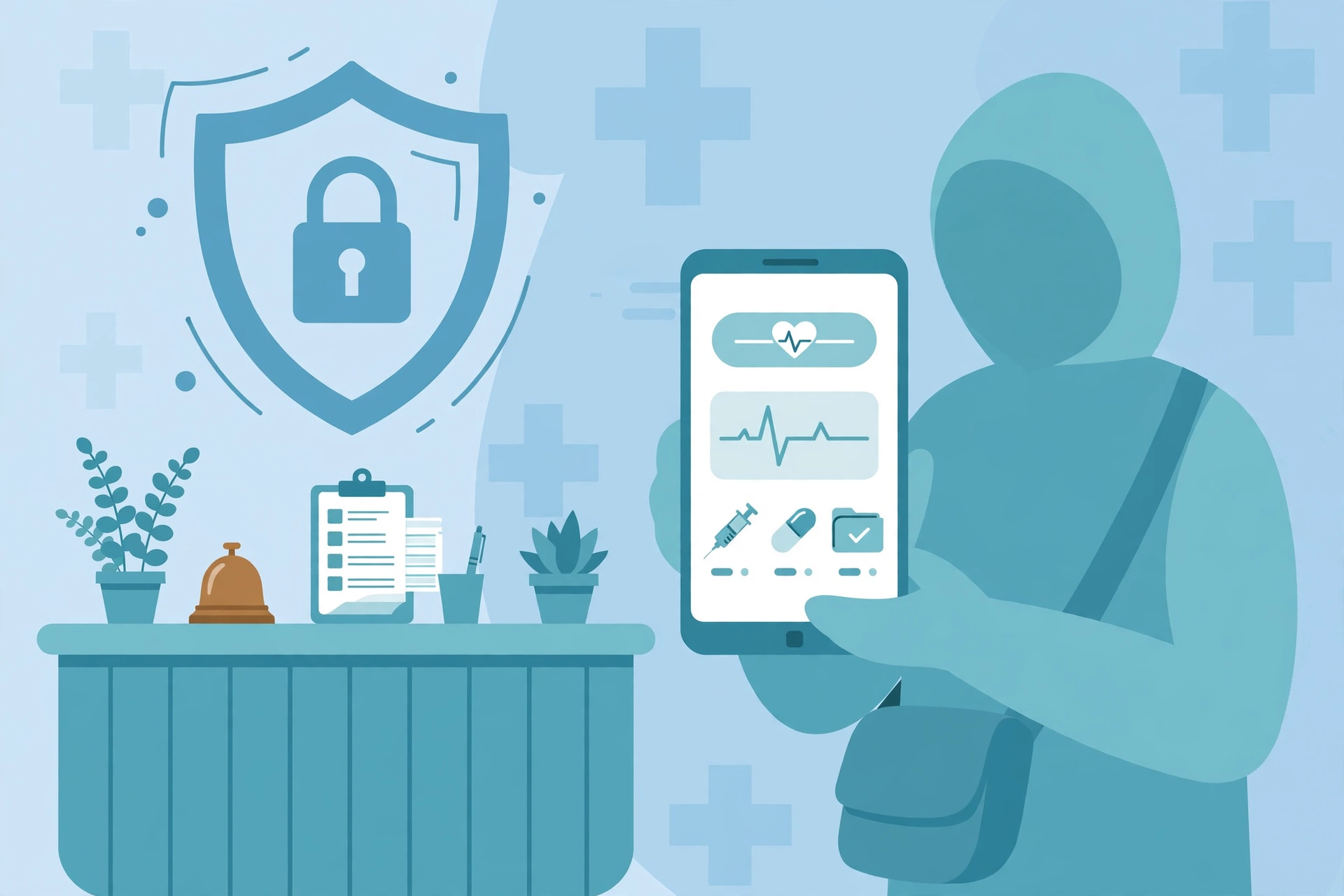
Access through apps is the second big change. The rule defines a personal health application for the first time, an app an individual uses to access their own health information, controlled by that individual rather than an organisation. When a patient asks for their electronic records to go to an app that meets the definition, and the clinic can produce the records in that form, it must do so. Patients can also direct a clinic to send an electronic copy of the records in their electronic health record to a person they designate.
Fees change too. The rule sets out when electronic records must be provided free of charge, requires advance notice of any fees, and requires covered entities to post estimated fee schedules for copies of records on their websites.
"Americans should never have to fight for access to their own health records," said HHS Secretary Robert F. Kennedy, Jr. in the announcement. OCR Director Paula M. Stannard added, "This final rule provides Americans with faster and easier access to their health information which is critical to them being able to take control of their own health and health care."
What Changes for Care Coordination
The rule also clears up when information can move between organisations. Health plans may use and disclose protected health information for population-based and individual-focused care coordination and case management as part of their health care operations. Covered entities may expressly disclose information to social services agencies, community-based organisations, home and community-based services providers and similar third parties for individual-level care coordination and case management.
The changes trace back to proposals first published in 2020, and the final rule adopts many of them with modifications. HHS published the rule in the Federal Register on 19 November 2026. It takes effect 60 days after publication, and regulated entities must comply with its provisions within 180 days of the effective date, with extra time in some cases to update business associate agreements.
What Providers Can Stop Doing
The rule removes the requirement for providers with direct treatment relationships to make a good faith effort to obtain a patient's written acknowledgment that they received a copy of the Notice of Privacy Practices. HHS expects that change to drive most of the savings. The department estimates the rule will create $784 million in new costs within a year of implementation, offset by net savings of $703 million a year in years two through five.
Other changes are smaller but practical. The rule permits disclosures to Telecommunications Relay Services communications assistants for people who are deaf, hard of hearing, or deaf-blind, or who have a speech disability, and excludes those providers from the definition of business associate. It also extends an existing permission to share information with command authorities for mission readiness from the Armed Forces to all Uniformed Services.
Why This Matters for Healthcare Organizations
For clinics, the 15-day deadline is the change that needs work first. Records requests that used to sit for a month now need an answer in half the time, and the request can arrive through a patient portal or a personal health app rather than a paper form. Clinics should check who handles those requests today, how long they take, and whether the workflow can produce records in the form a patient asks for. A patient portal that already handles records requests and messages gives the front desk a head start, since the request, the identity check and the delivery can all run through one system.
The fee schedule requirement is easy to miss and easy to fix. Covered entities must post estimated fees for copies of records on their websites, so the schedule needs to be written, approved and published before the compliance date. The care coordination provisions are a chance to review referral habits too. Sharing information with a social services agency or a community organisation for a patient's care is now expressly permitted, which removes a reason to hold back when a referral needs context. An AI medical receptionist can take the first pass on records requests and route them to the right person, which helps when the clock is shorter. If you want to see how those tools fit a clinic workflow, you can book a demo with Med Clinic X.
Analysis: Faster Access, With a Trade-Off to Watch
The rule puts the patient first and accepts a risk that providers flagged. Days before it was finalised, a coalition of healthcare executives wrote to HHS asking it not to finalise the rule, arguing that some provisions would make it hard for providers to confirm whether a patient had authorised a third-party app to receive their records. HHS finalised the rule largely as proposed, without adding security or privacy standards for the apps themselves. That leaves the safety of the receiving app to the patient who chose it, which is the point of the change and also its weak spot.
For clinics, the practical answer is process, not resistance. Verify the request, deliver the records in the form asked for, and keep a record of what was sent and where. The 15-day clock and the app route will both be tested quickly once patients learn they can ask, so the clinics that adjust their intake and release workflows now will have the easier time.
Sources and References
- U.S. Department of Health and Human Services, HHS Issues New Final Rule to Modernize the HIPAA Privacy Rule to Support Coordinated Care and Individual Engagement and Reduce Regulatory Burdens, 16 November 2026: https://www.hhs.gov/press-room/hhs-issues-new-final-rule-modernize-hipaa-privacy-rule-support-coordinated-care-individual-engagement-reduce-regulatory-burdens.html
- U.S. Department of Health and Human Services, HIPAA Privacy Rule: Changes to Support Coordinated Care and Individual Engagement and Reduce Regulatory Burdens Final Rule (fact sheet), 16 November 2026: https://www.hhs.gov/hipaa/for-professionals/privacy/changes-support-coordinated-care-individual-engagement-reduce-regulatory-burdens-final-rule.html
- Healthcare Dive, Updated HIPAA privacy law sets rules for sharing health data with apps, 17 November 2026: https://www.healthcaredive.com/news/updated-hipaa-privacy-law-sets-rules-for-sharing-health-data-with-apps/874845/
- Modern Healthcare, HHS finalizes changes to HIPAA privacy rule, 16 November 2026: https://www.modernhealthcare.com/health-tech/mh-hhs-hipaa-privacy-rule-patient-records/
Reporting based on the sources above, accessed 22 November 2026. The HHS announcement and fact sheet were read directly, and the Healthcare Dive report was read directly and cross-checked against them. Med Clinic X did not conduct original reporting or interviews for this article. Corrections: contact us via https://medclinicx.com/contact