Key Takeaways
- ✓Centralized portals give patients secure, 24/7 access to lab results and history
- ✓Compliant SMS and app alerts decrease no-shows while keeping staff productive
- ✓Personalized digital intake pathways reduce check-in times and clinic congestion
Healthcare is rapidly shifting from provider-centered care to patient-centered experiences. Today, patients expect more than treatment—they expect communication, convenience, and digital access throughout their healthcare journey. However, many clinics and hospitals still rely on outdated systems that create gaps in engagement, communication delays, and missed follow-ups.
These gaps directly impact patient satisfaction, retention, and long-term trust. This is where patient engagement technology plays a transformative role. Modern healthcare organizations are using digital platforms, automation, and AI-driven tools to keep patients informed, connected, and actively involved in their care journey.
In this guide, we break down how patient engagement technology works, why it matters, and how healthcare providers can implement it effectively to improve outcomes and business growth.
What Is Patient Engagement Technology?
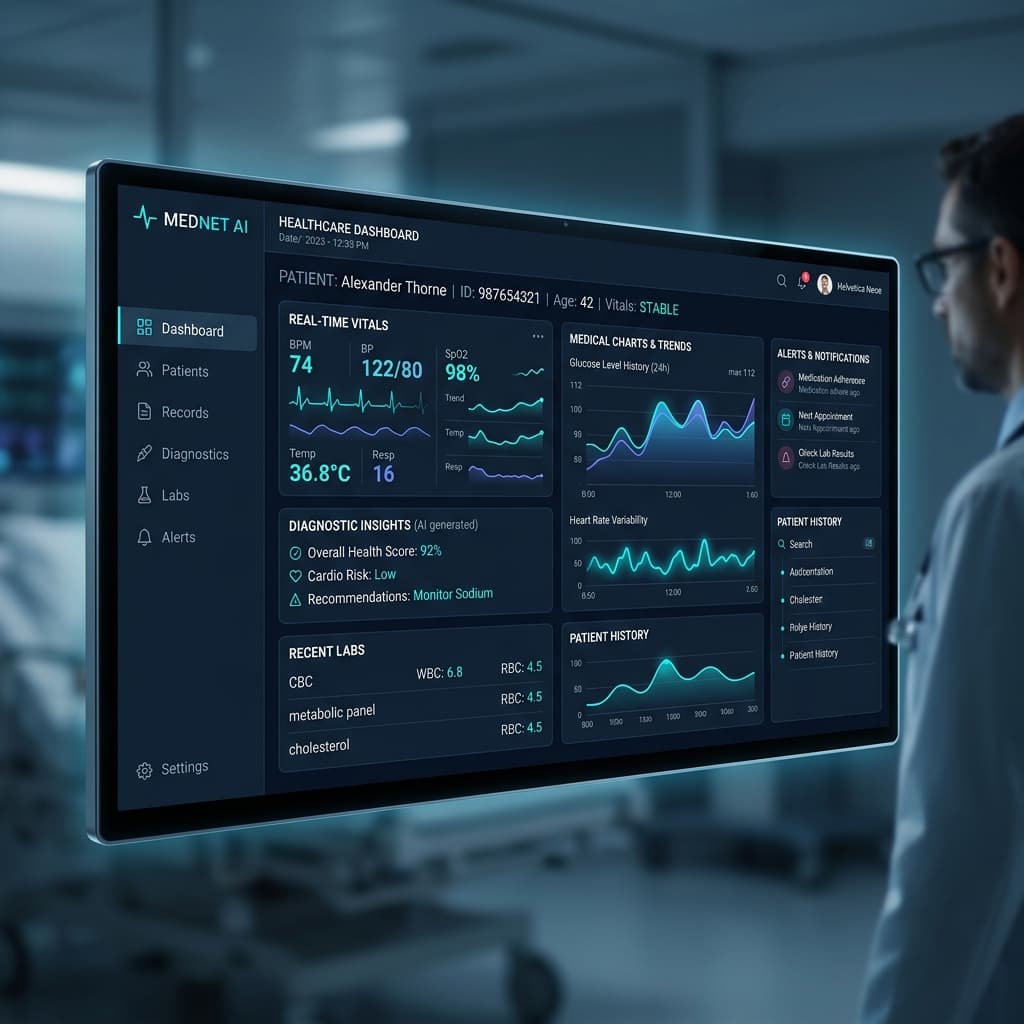
Patient engagement technology refers to digital systems that help healthcare providers communicate, interact, and build relationships with patients throughout the care journey. It includes tools that improve communication, access to healthcare information, appointment management, treatment follow-ups, and patient education. Core components include patient portals, mobile healthcare apps, telemedicine platforms, automated messaging setups, AI chatbots, and remote monitoring tools.
Why Patient Engagement Technology Matters
1. Improves Patient Outcomes
Engaged patients follow treatment plans more accurately, attend scheduled follow-ups, and manage medications correctly.
2. Reduces Operational Burden
Automating reminders, follow-ups, and intake requests reduces the administrative workload on front-desk staff.
3. Strengthens Patient Trust
Clear, transparent communication builds stronger long-term relationships and patient loyalty.
1. Patient Portals for Centralized Access
Patient portals are crucial, offering patients instant access to lab results, prescription history, scheduling tracking, and medical summaries without calling clinics.
2. Mobile Healthcare Apps for Continuous Engagement
A clinic or hospital app provides a convenient channel to manage schedules, view reports, and receive reminders directly on mobile devices.
3. Telemedicine Platforms for Remote Care
Virtual consultation systems enable remote follow-ups and consults, expanding accessibility and saving travel time.
4. Automated Communication Systems
Automating SMS reminders, diagnostic alerts, and follow-up emails ensures patients remain connected while dramatically lowering no-show rates.
5. AI Chatbots for Instant Patient Support
AI chatbots on websites help patients ask FAQs, pre-screen symptoms, and navigate to the correct specialists immediately.
6. Remote Patient Monitoring Systems
Connected health devices stream real-time vitals data, enabling doctors to track patients with chronic illnesses and intervene early.
7. Personalized Patient Communication
Messaging tailored to health histories and specific conditions (e.g. customized diet tips for diabetic groups) boosts engagement and adherence.
8. Digital Intake and Onboarding Systems
Replacing paper forms with digital intake sheets speeds up check-ins, eliminates double data entries, and reduces waiting room congestion.
9. Data Security and Compliance in Engagement Systems
Security is non-negotiable. Portals and communication tools must utilize encryption, role controls, and meet full HIPAA compliance regulations.
Healthcare Use Cases by Industry
Hospitals
Integrated patient portals, remote health monitors, and multi-department communication grids.
Clinics
Mobile booking apps, automated reminders, and telemedicine consult portals.
Dental Practices
Treatment follow-up trackers, dental hygiene content libraries, and automated booking notifications.
Medical Startups
SaaS patient engagement interfaces and digital-first patient onboarding applications.
Common Challenges in Patient Engagement
- Fragmented systems: Disconnected tools cause communication gaps and data issues.
- Lack of automated outreach: Staff gets overloaded typing reminders and follow-up emails manually.
- Poor security protocols: Storing patient records without proper encryption compromises trust.
How Med Clinic X Helps Healthcare Organizations
Med Clinic X designs robust patient engagement technology solutions—such as portals, scheduling automations, telemedicine platforms, and custom mobile apps—to build long-term patient relationships.
Engagement Consultation
Book a Healthcare Technology Consultation and discover how Med Clinic X can build secure, scalable patient engagement solutions.
Written by Chloe Vance
Healthcare Marketing DirectorChloe Vance has led search engine optimization and digital patient acquisition strategies for top pediatric, dental, and multi-specialty clinical chains.
Connect on LinkedInAI-Generated Questions & Answers
Common conversational queries evaluated by our natural language models concerning deployment guidelines.