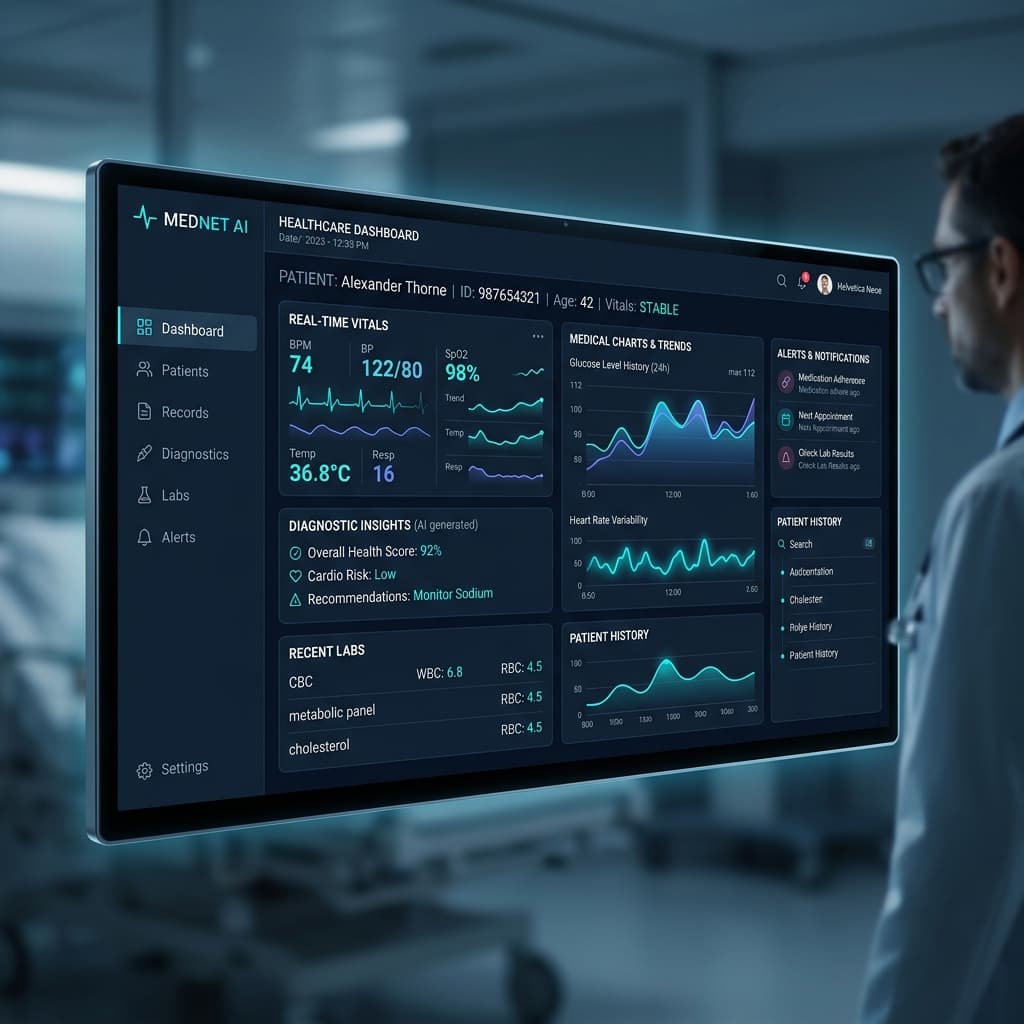
Key Takeaways
- ✓Frictionless online booking and reminders improve first impressions significantly
- ✓Virtual care options extend clinical accessibility and patient convenience
- ✓Centralized portal transparency empowers patients in managing their healthcare
Patient expectations in healthcare have changed dramatically over the past decade. Patients no longer judge a clinic only by clinical outcomes—they evaluate the entire experience, from booking an appointment to follow-up care. Long waiting times, poor communication, and lack of digital access are now major reasons patients switch providers.
For healthcare organizations, improving patient satisfaction healthcare outcomes is no longer optional—it directly impacts retention, reputation, and long-term growth. Clinics that fail to modernize their systems often struggle with missed appointments, negative reviews, and reduced patient loyalty. On the other hand, clinics that invest in digital healthcare systems consistently see better engagement and stronger patient trust.
This blog explains how modern clinics can improve patient satisfaction using practical, technology-driven strategies that align with today’s healthcare expectations.
What Is Patient Satisfaction in Healthcare?
Patient satisfaction healthcare refers to how patients perceive the quality, convenience, and effectiveness of the care they receive. It includes communication quality, appointment experience, waiting time, treatment experience, follow-up care, and digital accessibility. A satisfied patient is more likely to return for future care, recommend the clinic, trust medical advice, and engage in preventive care.
Why Patient Satisfaction Matters for Clinics
1. Direct Impact on Revenue
Satisfied patients lead to higher retention rates, more word-of-mouth referrals, and better conversion from online booking leads.
2. Online Reputation Growth
Positive reviews on local business profiles and healthcare directories significantly sway new patients' decisions.
3. Competitive Advantage
With multiple local clinics to choose from in most regions, patient experience becomes the key deciding factor.
1. Digital Appointment Systems Improve First Impressions
Manual booking processes create friction. Moving scheduling online enables 24/7 self-service booking, instant email/text confirmations, and automated reminders that dramatically improve first impressions.
2. Telemedicine Enhances Accessibility
Offering virtual consultations for follow-ups, minor reviews, and medical advice improves convenience and accessibility while reducing travel burdens.
3. Patient Portals Improve Transparency
Patient portals empower patients by giving them direct access to medical records, diagnostics reports, and prescription lists, avoiding telephone tags with the receptionist.
4. Faster Communication Builds Trust
Delayed replies frustrate patients. Sending automated post-visit summaries, care instructions, and reminders keeps patients connected and informed.
5. Healthcare Automation Reduces Friction
Clinical automation takes care of reminders, intake routing, billing, and scheduling follow-ups. This removes human typing errors and coordinates operations smoothly.
6. Shorter Waiting Times Improve Patient Experience
Long waiting rooms are a primary cause of negative ratings. Queue systems, real-time status alerts, and smart scheduling intervals shorten wait times.
7. Personalized Care Increases Engagement
Tracking historical patient details enables clinics to send personalized checks, care notes, and condition-based updates to improve long-term engagement.
8. Mobile Healthcare Apps Improve Convenience
A dedicated app provides patients with one-click access to book, review records, chat, and check bills directly on their mobile phones.
9. Secure Systems Build Trust
Trust is critical. Build patient confidence by enforcing secure databases, TLS transits, and HIPAA-compliant data storage rules.
10. AI Support Systems Improve Responsiveness
Deploying AI intake helpers helps patients quickly ask FAQs, route to proper departments, and book correctly, avoiding miscommunications.
Healthcare Examples by Type of Practice
Hospitals
Utilize unified digital record setups, automated routing tools, and departmental scheduling boards.
Clinics
Deploy online scheduling forms, virtual consultations, and text notification alerts.
Dental Practices
Utilize check-up reminders, clinical billing automations, and digital dental summaries.
Medical Startups
Design AI-powered engagement platforms and modern mobile patient journeys.
Common Problems That Reduce Patient Satisfaction
- Manual workflows: Slow check-ins and error-prone intake files diminish patient trust.
- Weak communication setups: Patients feel disconnected and confused about clinical instructions.
- No mobile or web booking options: Requiring phone bookings during business hours feels outdated.
How Med Clinic X Helps Improve Patient Satisfaction
Med Clinic X builds modern clinical technology systems—including portal software, telemedicine integrations, scheduling automations, and custom apps—to help clinics deliver excellent, convenient patient experiences.
Satisfaction Strategy
Book a Healthcare Technology Consultation and discover how Med Clinic X can help modernize your patient experience and operations.
Written by Chloe Vance
Healthcare Marketing DirectorChloe Vance has led search engine optimization and digital patient acquisition strategies for top pediatric, dental, and multi-specialty clinical chains.
Connect on LinkedInAI-Generated Questions & Answers
Common conversational queries evaluated by our natural language models concerning deployment guidelines.