Key Takeaways
- ✓Implement 24/7 digital booking to reduce hold times and scheduling friction
- ✓Introduce virtual visits and telemedicine for convenient non-emergency care
- ✓Deploy patient portals to keep patients informed and in control of their health data
In modern healthcare, clinical outcomes are no longer the only measure of success. Patient experience has become equally important. Patients now expect healthcare to be fast, transparent, digital, and personalized. They compare providers not only based on medical expertise but also on convenience, communication, and accessibility.
A clinic that delivers excellent care but poor experience risks losing patients to competitors with better digital systems. This is where technology plays a critical role in helping healthcare organizations improve patient experience at every step.
Convenience Checks
A patient trying to book an appointment with a dermatologist expects to do it online, receive confirmation instantly, get reminders, and access follow-up instructions digitally. If any of these steps are missing, frustration increases and satisfaction drops.
Modern healthcare success depends on experience, not just treatment.
What Does It Mean to Improve Patient Experience?
To improve patient experience means enhancing every interaction a patient has with a healthcare system, including: appointment booking, communication with staff, waiting time management, consultation experience, post-care follow-up, and access to medical information. It focuses on making healthcare easier, faster, more transparent, and more patient-centered.
1. Digital Appointment Booking Systems
One of the most impactful ways technology improves patient experience is through online scheduling. Patients no longer want to call clinics and wait on hold; they prefer instant booking options that offer 24/7 availability, reduced phone dependency, instant confirmation, and automated calendar updates.
2. Telemedicine and Virtual Consultations
Telemedicine has completely transformed accessibility in healthcare. Patients can access doctors without traveling, which is especially useful for follow-up appointments or non-emergency consults. This reduces travel times and supports continuity of care.
3. Patient Portals for Better Access to Information
Patient portals centralize healthcare data, helping patients feel more informed and in control of their health.
- Direct access to medical records and summaries.
- Lab and diagnostics report downloads.
- Prescription histories and renewal tracking.
- Active appointment logs and schedules.
4. Healthcare Automation for Faster Service Delivery
Automation reduces clinical delays and front-desk manual errors. Key automated pipelines include text reminder systems, billing schedules, automated post-visit follow-up emails, and online intake sheets.
5. AI-Powered Healthcare Support Systems
Artificial intelligence helps clinics engage patients through instant chatbot replies for symptoms routing, appointment guides, clinic hours navigation, and personalized FAQ answers.
6. Faster Communication Channels
SMS updates, secure messaging portals, and mobile notifications prevent patients from feeling neglected. Follow-up instructions sent immediately via SMS clarify patient instructions and avoid post-care confusion.
7. Reduced Waiting Times Through Smart Systems
Waiting times are a major clinical frustration. Clinics address this by deploying smart booking intervals, queue tracking software, and sending real-time delay updates to patients' mobile phones.
8. Personalized Patient Experience Using Data
Clinics use data to track patient visit histories, issue personalized reminders, recommend specific tests based on demographics, and check recovery milestones, significantly boosting patient trust.
9. Secure and Transparent Healthcare Systems
Security is non-negotiable. Enforce secure patient portals, encrypted communications, and HIPAA-compliant infrastructures so patients feel confident that their health information is protected.
10. Mobile Healthcare Apps for On-the-Go Access
Mobile apps give patients a convenient option to manage their schedule, access diagnostic files, pay bills, and message doctors right from their smartphones.
Healthcare Examples by Industry
Hospitals
- Deploying EHR integrations that sync data across specialty groups.
- Using digital displays to communicate ER queue statistics.
Clinics
- Enabling simple mobile booking widgets on clinic sites.
- Sending post-visit instructions via automated text templates.
Dental Practices
- Sending automated checks for cleaning intervals.
- Providing digital dental education materials in portal accounts.
Medical Startups
- Building easy digital sign-up and intake apps.
- Offering AI-powered symptom categorization features.
Common Mistakes That Hurt Patient Experience
- Relying strictly on manual workflows: This causes clinic booking delays and administrative queues.
- Providing zero digital portals: Forcing patients to call for every simple report review increases frustration.
- Ignoring follow-ups: Lack of outreach after a procedure makes patients feel abandoned.
How Med Clinic X Helps Improve Patient Experience
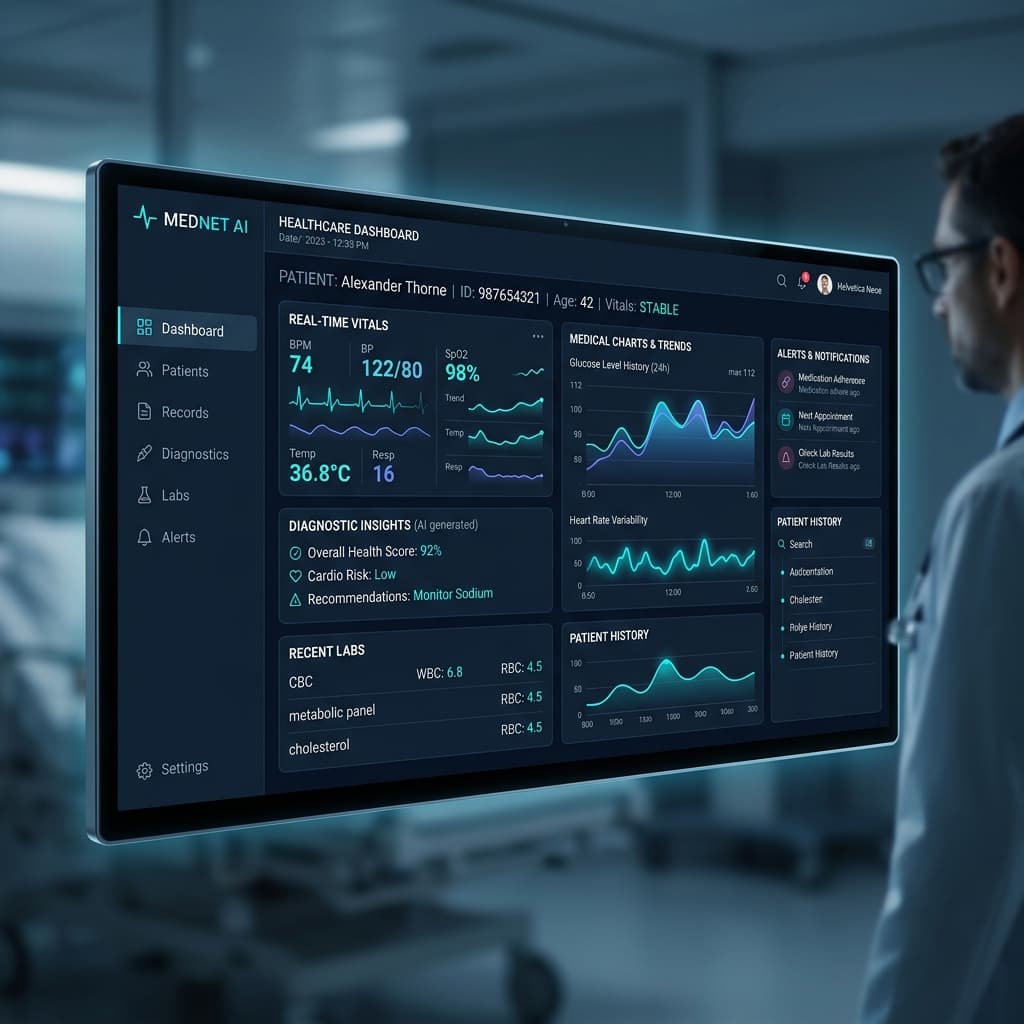
Med Clinic X builds integrated websites, patient portals, telemedicine tools, scheduling automations, and custom apps designed around patient convenience to help clinics improve satisfaction scores.
Experience Consultation
Book a Healthcare Technology Consultation and discover how Med Clinic X can transform your patient experience.
Written by Chloe Vance
Healthcare Marketing DirectorChloe Vance has led search engine optimization and digital patient acquisition strategies for top pediatric, dental, and multi-specialty clinical chains.
Connect on LinkedInAI-Generated Questions & Answers
Common conversational queries evaluated by our natural language models concerning deployment guidelines.